

Guide to cardamom, an exotic eastern spice that is used in sweet and savoury dishes.

Cardamom is a small green pod containing tiny black seeds.
The seeds are highly aromatic and the spice is immensely popular in Indian and Scandinavian cuisines in particular.
When cooking with cardamom, the seeds are the most important part of the spice and it is the seeds that impart the sweet and spicy flavour.
The seeds are highly aromatic and the spice is immensely popular in Indian and Scandinavian cuisines in particular.
When cooking with cardamom, the seeds are the most important part of the spice and it is the seeds that impart the sweet and spicy flavour.
Advertisements
The cardamom pod
Cardamom belongs to the same family as ginger and turmeric. The cardamom plant is native to India and Sri Lanka and is also cultivated in Guatemala, Mexico, Indonesia and other areas of southern Asia.
The cardamom pods are harvested just before they are ripe and they are allowed to dry in the sun or more often than not nowadays, by using drying machines.
When purchased from the supermarket, cardamom pods are usually green in colour, however they can also be found in a bleached white form. Avoid any pods that are a black colour - the greener the pod, the better.
You can also buy cardamom in a ground form, yet the quality is not as good as using seeds from a whole pod and grinding them yourself.
Cardamom is a very expensive spice and sometimes other spices are added to ground cardamom to reduce the cost.
Once the pods are opened or if they are ground, the flavour and aroma of the cardamom is lost very quickly, due to the rapid loss of the essential oils.
The cardamom pods are harvested just before they are ripe and they are allowed to dry in the sun or more often than not nowadays, by using drying machines.
When purchased from the supermarket, cardamom pods are usually green in colour, however they can also be found in a bleached white form. Avoid any pods that are a black colour - the greener the pod, the better.
You can also buy cardamom in a ground form, yet the quality is not as good as using seeds from a whole pod and grinding them yourself.
Cardamom is a very expensive spice and sometimes other spices are added to ground cardamom to reduce the cost.
Once the pods are opened or if they are ground, the flavour and aroma of the cardamom is lost very quickly, due to the rapid loss of the essential oils.
Releasing the cardamom seeds
Cardamom seeds will keep much of their flavour for longer if they are stored in airtight containers.
To use the pods and seeds in cooking, the pods need to be ground or crushed. This can be managed very easily by using a pestle and mortar. Simply place the cardamom pods in the mortar and lightly pound the pods with the pestle. The pods will burst open and the seeds will ooze out.
If you are using cardamom seeds for baked pastries or breads, just scoop the seeds out of the mortar and add them to the required mixture. For curries or stews, the pod can be added to the cooking pot along with the seeds. After a while the pod will dissolve and a little extra flavour is given to the dish.
To use the pods and seeds in cooking, the pods need to be ground or crushed. This can be managed very easily by using a pestle and mortar. Simply place the cardamom pods in the mortar and lightly pound the pods with the pestle. The pods will burst open and the seeds will ooze out.
If you are using cardamom seeds for baked pastries or breads, just scoop the seeds out of the mortar and add them to the required mixture. For curries or stews, the pod can be added to the cooking pot along with the seeds. After a while the pod will dissolve and a little extra flavour is given to the dish.
Culinary uses of cardamom
Cardamom can be used in sweet or savoury dishes depending on your taste.
In Indian, North African and cuisines of the Middle East, cardamom is a popular spice in curries and is often one of the components of their typical spice blends used for all types of savoury dishes.
In the Arab world, visitors may be offered a cup of coffee flavoured with cardamom and cream and this is seen as a show of hospitality and welcome.
In Scandinavian countries, on the other hand, cardamom is used in all types of sweet pastry and bread dishes and is added to dishes, as we would use cinnamon.
Ground cardamom seeds can also be used to flavour other types of foods such as soups, pâtés, stews, purées and rice dishes or if you prefer to try cardamom in a sweet dish, try adding some seeds to your homemade rice pudding, ice cream, custard or sprinkle them over a fresh fruit salad.
In Indian, North African and cuisines of the Middle East, cardamom is a popular spice in curries and is often one of the components of their typical spice blends used for all types of savoury dishes.
In the Arab world, visitors may be offered a cup of coffee flavoured with cardamom and cream and this is seen as a show of hospitality and welcome.
In Scandinavian countries, on the other hand, cardamom is used in all types of sweet pastry and bread dishes and is added to dishes, as we would use cinnamon.
Ground cardamom seeds can also be used to flavour other types of foods such as soups, pâtés, stews, purées and rice dishes or if you prefer to try cardamom in a sweet dish, try adding some seeds to your homemade rice pudding, ice cream, custard or sprinkle them over a fresh fruit salad.
Medicinal uses of cardamom
Cardamom has been used medicinally for thousands of years. It was popular in Ancient Greece, Rome, Egypt, India and China. It is renowned for its ability to treat digestive and stomach disorders but is also used to treat other complaints, such as those listed below:
- Cardamom can help relieve indigestion and intestinal gas.
- In India it is used for chest disorders such as asthma and bronchitis.
- Some say that cardamom is an excellent tonic and pick-me-up.
- It also has diuretic properties.
- Cardamom can relieve bad breath and can help clear up teeth and gum disorders.
Cardamom Recipes
A selection of recipes for cooking with cardamom including chicken korma, baked bananas and carrot halva.

This is a great way of dressing up bananas - with spices, sweet fruit and alcohol. If you are really daring, serve with ice cream or a big dollop of whipped cream.
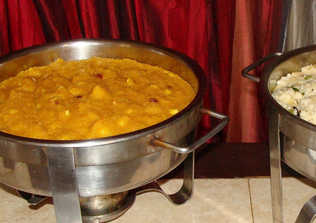
Also known as Gajar ka Halwa, this is a traditional sweet Punjabi dish, which is highly nutritious, as it is made from carrots, nuts, raisins and spices. Serve with thick....

This korma is made with yoghurt rather than cream, which is a much healthier and less fattening version. It is also packed with spices and full of flavour.
....
....
Advertisements


